
Best Vacuum Sealers for 2022 – Comparison and Reviews
Vacuum sealers are a staple in the sous vide cooking world. After all, sous vide literally translates to “under vacuum” (not sure what sous vide is? Read more about sous vide machines). It’s built right into the name! So, in order to become a successful and efficient sous vide chef, it’s important to develop an expertise in vacuum sealers. It’s all too easy to ignore these little wonders when putting together a sous vide kit for your kitchen. Yet, to invest in a quality sous vide cooker without having a decent vacuum sealer would be a huge mistake.
So, if you’re clueless about vacuum sealers, but realize that it’s time to invest in a good one, you’ve come to the right place. Since nearly every single sous vide meal that I cook uses a vacuum sealer, I have a ton of experience working with these machines! I’m ready to share my expertise and ensure that you end up with the perfect vacuum sealers for this kitchen. All you need to do is keep reading this article. I ranked our top picks for the best vacuum sealers in the comparison table below and also reviewed each one individually so that you can make an informed purchase. We’ll also talk about the different types of vacuum sealers and whether or not they are really necessary for sous vide cooking. In other words, by the end of this article, you’ll be something of a vacuum sealer expert and feel prepared to bring home the one that your kitchen deserves.
Best Vacuum Sealer: Comparison Chart
| Vacuum Sealers | Price | Rating | Comments | |
|---|---|---|---|---|
 | FoodSaver V2244 | Check PriceRead our Review | Best budget friendly | |
 | FoodSaver 4840 | Check PriceRead our Review | Best overall | |
 | FoodSaver 5800 Series | Check PriceRead our Review | Premium features | |
 | Geryon | Check Price | Multi use | |
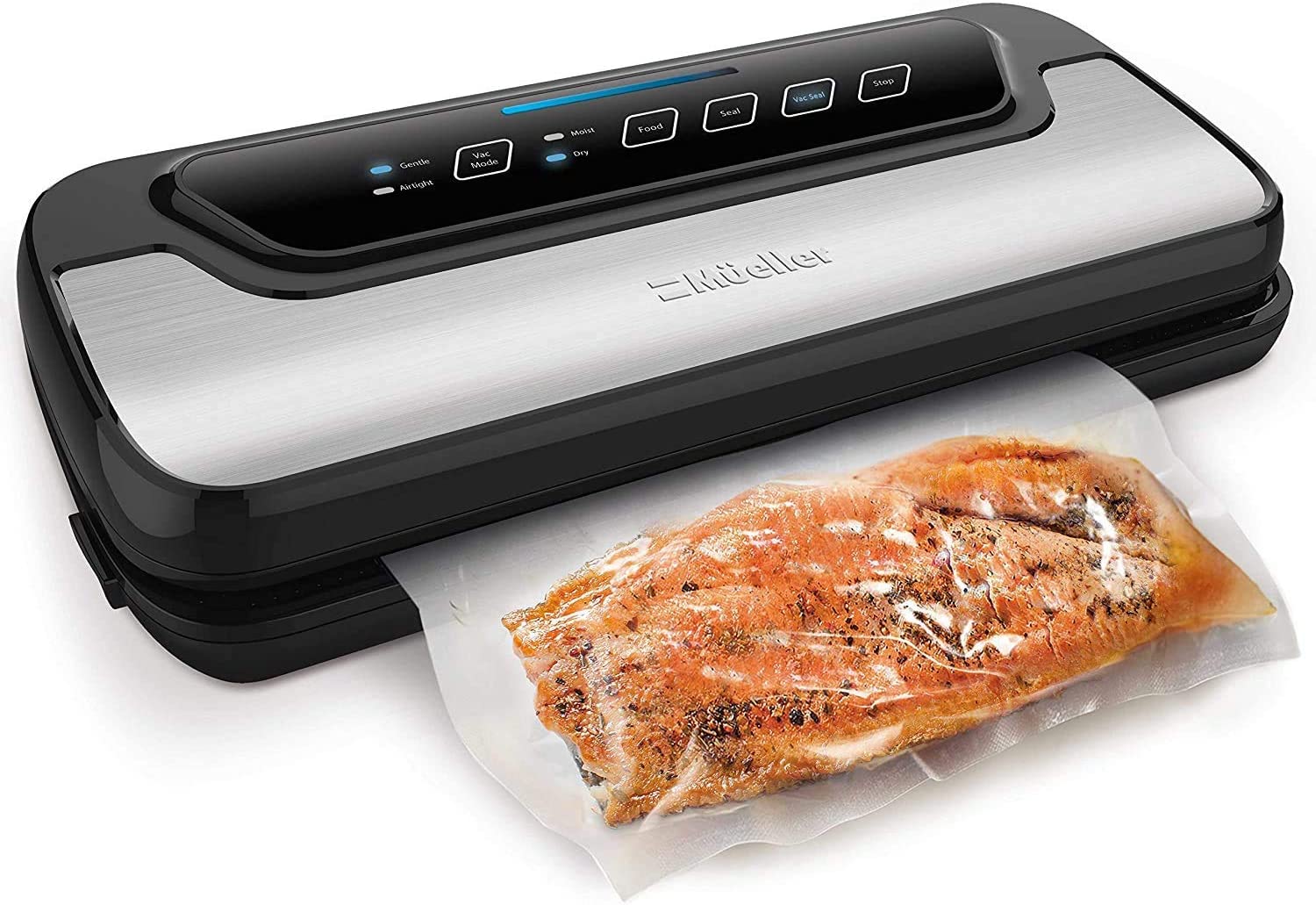 | Mueller | Check Price | Cheapest | |
 | Weston Pro-2300 | Check PriceRead our Review | Commercial quality | |
 | VacMaster VP215 | Check PriceRead our Review | Best chamber sealer | |
 | PolyScience 300 | Check PriceRead our Review | Runner up, chamber | |
Vacuum Sealer Reviews: Top Picks
1. Best Overall: FoodSaver Vacuum Sealers
Note that we didn’t list a specific model here. That says a lot! FoodSaver has amazing devices with a large array of models, prices, and features. If you’re looking for a countertop (external) vacuum sealer, we definitely recommend a model from this line-up. Below we highlight our favorite picks from low, middle of the road, and high cost. All three of them get our highest recommendation. Which one will be the best fit for your kitchen depends entirely on your budget and your specific sous vide needs.
2. Budget Friendly: FoodSaver V2244 with Starter Kit
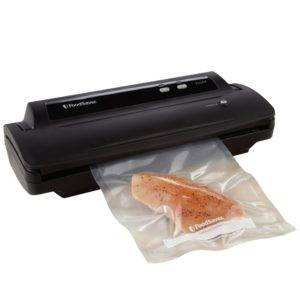 We got a LOT of use out of this device. Before upgrading to the 4800 series (below), this was our primary vacuum sealer for sous vide. The vacuum sucks air out quick and isn’t too loud overall. We even sealed in a few cuts of meat that were marinated (quite a bit of liquids in the bag) and it still sealed perfectly fine. This thing works and works well. Every. Single. Time.
The FoodSaver V2244 comes with an accessory port which can be used with a hose vacuum to seal cans and even a full starter kit filled with various bag sizes. If you’re looking for a reliable vacuum sealer, this is absolutely our favorite choice.
3. Best Value: FoodSaver 2-in-1 4840
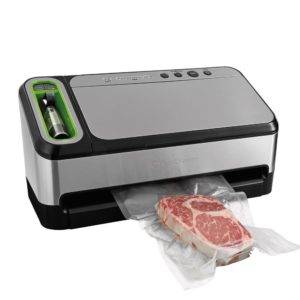 Much like the FoodSaver V2244, the FoodSaver 4840 comes with an awesome starter kit with different bag sizes. But more importantly, the features are what make this stand out. The two in one functionality of the FoodSaver 4840 combines a standard vacuum sealer and a manual pump. The benefits of this are that you do not have to break out accessories and add-ons to seal cans, containers, and zipper bags.
The FoodSaver 4840 also comes with bag roll storage and a convenient bag cutter right on the device so you can get the perfectly sized bag for your sous vide cook. We absolutely love being able to keep the rolls of bags inside the unit. This is currently our go-to sous vide vacuum sealer.
4. High End: FoodSaver Premium 5800 Series
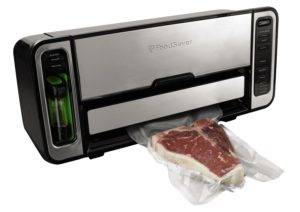 The FoodSaver Premium 5800 Series is very similar to the previous model we recommended (FoodSaver 4840), but with a few more high-end features. The FoodSaver 5800 comes with fully automatic bag dispensing/rewind and automatic bag cut/seal. You literally just put the bag in and the machine does everything. If you’re looking to do a lot of sous vide cooking, but don’t want to break the bank with a chamber vacuum sealer, the 5800 series is a fantastic option.
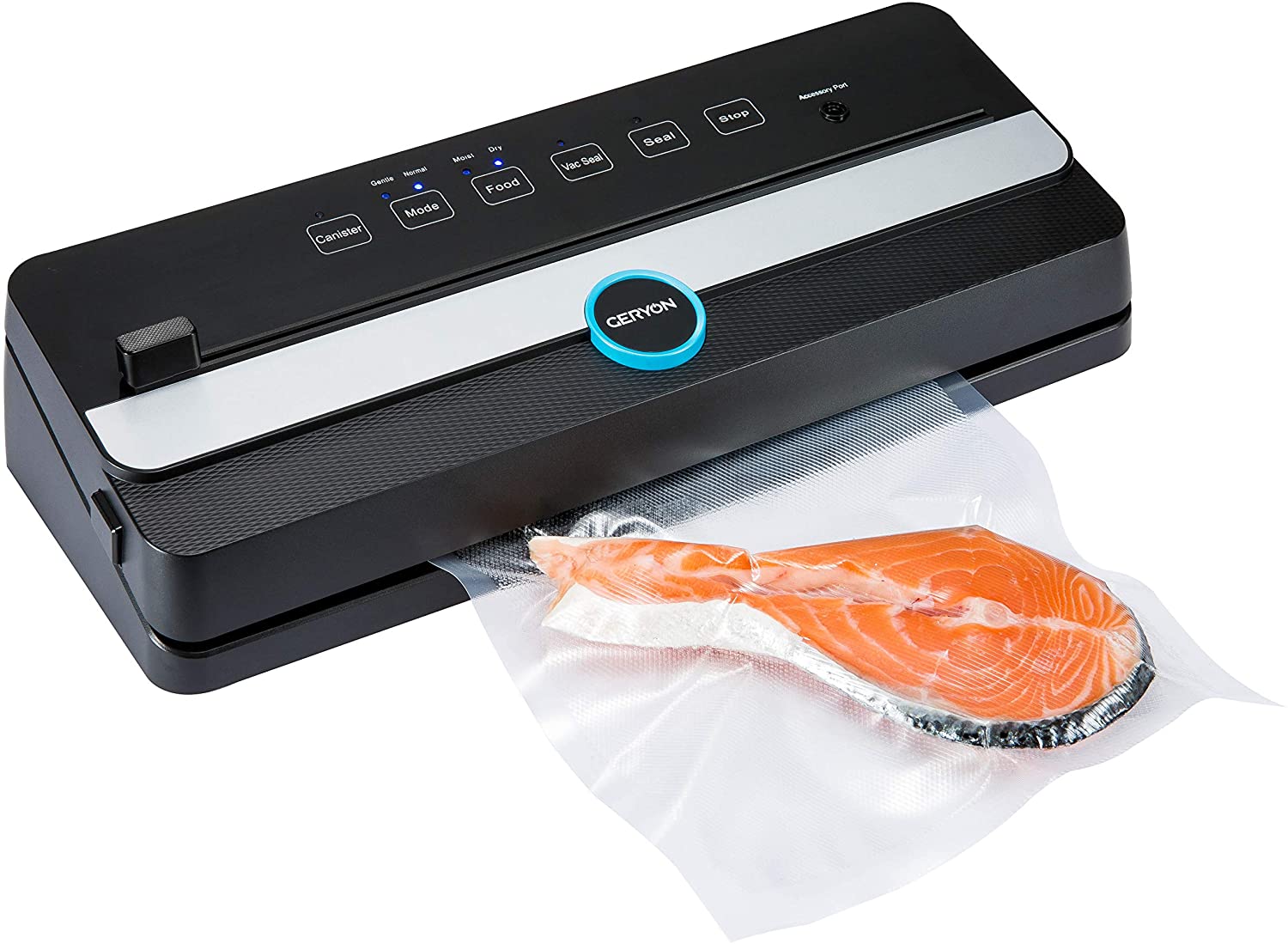
5. Multi Use: Geryon Vacuum Sealer Machine Including Bags and Roll
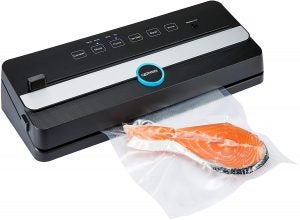 The Geryon Vacuum Sealer is a low-cost work horse that sits comfortably in the low-mid range of sealing systems. The Geryon sports a floating hinge, allowing for the easy removal of the top part of the unit for servicing. Another great feature for a unit in this price range is having both moist and dry settings as well as a ‘normal’ and ‘gentle’ seal. Like many other vacuum sealers the Geryon also comes with a set of bags, accessory port, and hose for sealing containers with a matching valve. Sealing is as easy as pressing a button; however we did find that the Geryon made about as much noise during sealing as a vacuum in a neighboring room. The buttons are also a simple membrane, which means that there’s almost no tactile feedback when you press down. In short, the Geryon Vacuum sealer is a loud little workhorse at a great price point.
6. Low Cost: Mueller Vacuum Sealer Machine
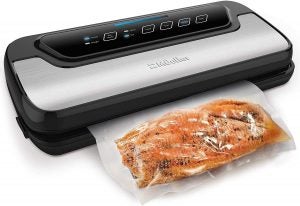 The Mueller compact vacuum sealer is a sturdy, space-saving product that is as simple as plug and play. We found the buttons to be extremely responsive – almost to the point of oversensitivity – unlike some other vacuum sealers. Although not quite as user friendly as the FoodSaver series this is a great mid-range unit for those who are looking to do batch seals. The only caution here is that you need to be careful not to block the vacuum vent. If you position the unit without considering this, something that the instructions may not mention, then you enough pressure that the unit can appear broken out of the box. The Mueller vacuum sealer also comes with its own set of bags and rolls, both of which are reusable.
7. High-End: Weston Pro-2300 Vacuum Sealer
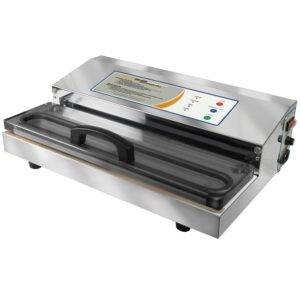 If you’re looking for the ultimate external vacuum sealer, then the Weston Pro 2300 is your machine. This fully stainless steel commercial-quality vacuum sealer is 935 watts and vacuums and seals incredibly fast. The sealer is automatic by default but also comes with a manual mode when working with delicate or moist foods.
The Weston Pro 2300 is also REALLY wide (15 inches) which can seal larger cuts of meat than most sealers on the market. If you plan on sealing a lot of food, the Weston Pro is an incredibly reliable machine that will help you get the job done faster.
Best Chamber Vacuum Sealers for Sous Vide
1. Top Pick: VacMaster VP215 Chamber Vacuum Sealer
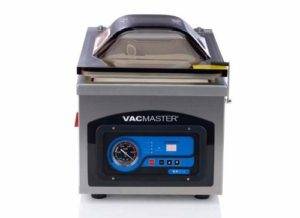 VacMaster makes the best lineup of household and commercial chamber vacuum sealers. The company claims it’s perfect for small restaurants, catering, or hunters and fishers, however it is absolutely great for the veteran sous vide aficionado. The VacMaster VP125 can easily seal liquids including marinated meat and even soups. More importantly, the VacMaster VP125 chamber vacuum sealer is only 20” x 14” x 15”, which is surprisingly small for machines that are traditionally huge. For the home cook, this is a major desire.
Overall, VacMaster has the most reliable and sought-after chamber vacuum sealer line-ups available for household use. You can’t go wrong with these.
2. Runner Up: PolyScience 300 Series Chamber Vacuum Sealer
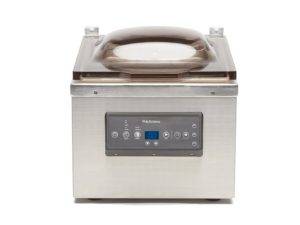 PolyScience has long been an industry leader in the sous vide revolution, offering amazing sous vide machines including the PolyScience CREATIVE series which we featured in an in-depth review. Their quality surpasses most of the competition, and that includes their chamber vacuum sealers. The PolyScience 300 Series chamber vacuum sealer is a commercial-ready device with great features (however we do know quite a few sous vide enthusiasts using this for regular home cooking).
The 300 series comes with programmable presets which will set the exact vacuum level, hold times, and seal times for specific foods. We recommend this for serious sous vide enthusiasts or professionals.
Types of Vacuum Sealers
Chamber Vacuum Sealers
Chamber vacuum sealers are hands-down the best method for sealing food for sous vide, especially if you plan on cooking sous vide frequently. Of course, the bringing home the best comes at a cost. Sous vide chamber vacuum sealers are especially great for sealing bags that contain liquid because the machine never sucks air out of the bag like a vacuum would. Oh if only it were that easy! Instead, bags are placed in a chamber and air is fully removed from the machine without agitating the food or liquids. Another major benefit is that the costs of bags are much cheaper than your regular FoodSaver type of sealer, which uses specifically embossed bags. If you plan on doing a lot of sous vide cooking, chamber vacuum sealers may end up paying for themselves in the long run. It all comes down to what you want to prioritize and how often you realistically think that you’ll be preparing meals sous vide.
External Vacuum Sealer
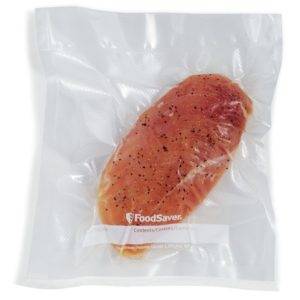 External vacuum sealers are your typical “edge sealer” that you would find in your local grocery store or Target. This is your basic model. Your starter vacuum sealer, if you will. The most popular brand, which many of you have probably already heard of, is FoodSaver. External vacuum sealers will not break the bank like chamber sealers. At least, not when it comes to purchasing the sealer itself. You see, the bags are a bit pricier and over time that will add up if you plan on preparing food in sous vide quite a bit. Nonetheless, these vacuum sealers are usually the best option for those looking to get started with sous vide cooking and are also smaller in size (aka easier to store in your kitchen). A typical model ranges from $100 – $150, but there are cheaper and more expensive choices out there. It all comes down to which brand that you decide on.
Vacuum Sealer Hand Pump
Not all vacuum sealers require you to be concerned about cost, of course. If you’re really looking to cut down costs, you can give a fully manual hand pump a try. Sure, it’s not as sexy or as easy to use, but these hand pumps will absolutely get the job done with a little manual effort. There are a few starter kits available for around $20 which includes a few bags and a hand pump to remove air from the bag. However, if you’re unsure if your sous vide endeavors will last long and just want to give it a shot, we personally recommend using the ziplock water displacement method instead of using one of these hand pumps. Sometimes all of that pumping can be a little more trouble than it’s worth.
Are Vacuum Sealers Necessary for Sous Vide?
No. However, vacuum sealers are recommended for sous vide for a multitude of reasons which we’ll dive into below. Essentially, you are perfectly capable of cooking sous vide with just your sous vide machine, sous vide container, and ziplock bags. It’s not the prettiest or most professional sous vide set up in the world, but it will certainly get the job done.
Ziplock bags are suitable for sous vide cooking as long as you purchase the food-grade and freezer-grade types. If you decide to cook sous vide with ziplock baggies, you can use the water displacement method – a fancy physics term for using the surrounding water to eliminate air from the bag. Basically, you leave the zip-lock bag open and slowly submerge the bag under water. Do it right and the water will actually push the air out of the bag the further down it goes. You can then clip the bag to the side of your container to keep it in place. As simple as that.
Now that we covered an alternative to using vacuum sealers for sous vide, let’s talk about the main benefits of vacuum sealers and the reasons you should consider investing in one.
Why You Should Use a Vacuum Sealer with Sous Vide Cooking
Better Surface Heat.
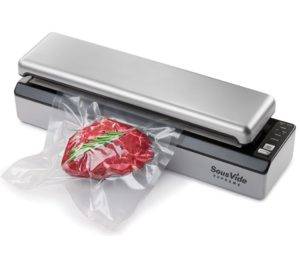
Air does not transmit heat as well as water can. It’s as simple as that. With a vacuum sealed meal, more hot water touches the surface of your food. That will result in even cooking temperatures and faster cooking times. The more air you have around your food, the longer it will take for the air to efficiently transmit heat to your food. So if you want your sous vide session to be as efficient as possible, this is really your only choice.
Better Flavor.
We’re not being scientific here, but its pretty common sense. Vacuum sealed bags are air tight and seal in all flavors, juices, and aromas. You can even marinate your food in the vacuum sealed pouch before cooking! And of course, having open baggies (non vacuum-sealed) can result in juices spilling out during cooking, or even worse, having the ziplock baggie sink and next thing you know you’re boiling a steak. It only makes sense that this method will taste better as you’re maximizing your sous vide potential. There’s a huge difference between boiling meat and cooking it sous vide. A vacuum sealed bag will bring out the finest flavor. It’s as simple as that.
Stays Fresh Longer.
Outside of sous vide, vacuum sealers play an integral role in keeping food fresh longer, both in the refrigerator and freezer. That’s right, a vacuum sealer won’t just be crucial in the cooking process. There are more applications than that. But all that said, from a sous vide perspective, vacuum sealing meals in advance for the week not only keeps the food fresh but it also ensures that it’s ready to cook! No more prep. Simply drop the bag in your water bath and you’re good to go. Since the meal is still sealed after cooking, you can even refrigerate the food and place it in an ice bath until you’re ready to finish the sear. How’s that for handy?
Bags Won’t Float.
Floating bags are not only frustrating, but can even be dangerous. Bags with air float on top of the water which will result in portions of your food not being properly cooked. When cooking sous vide, it’s important to always have the food fully submerged in water for even cooking temperatures and safety. Vacuum sealers fully remove any air in your bag prior to your sous vide cook. No air in the bag means no floating from the bag. This is the only way to be sure. Other sous vide bag sealing methods are always a risk.
Conclusion
Even though the sous vide name specifically references vacuum sealing, they are not 100% necessary for cooking. Nonetheless, we absolutely recommend using a vacuum sealer with cooking sous vide as the benefits largely outweigh the initial cost investment.
Vacuum Sealers Frequently Asked Questions
How do you use a Sous Vide vacuum sealer?
Sous Vide vacuum sealers use air pressure to suck all the oxygen out of your bags.
Can I use ziplock bags instead of vacuum sealers?
Definitely. We always suggest that you use proper Sous Vide bags, but ziplocks are an easy, low-barrier way of doing Sous Vide at home.
Why should you use a vacuum sealer for Sous Vide cooking?
Vacuum sealers improve upon every aspect of the ziplock bag. They have tighter seals, allow for double sealing if desired, and allow for the removal of almost all air from your bag. Although ziplock can compare, they’re really into two different leagues.
Should I use vacuum sealer bags or rolls?
Rolls are great for power users, and allow for more flexibility in terms of bag depth. With that said, there’s nothing that beats the ease of use from a simple Sous Vide bag.
I’ve been researching vacuum sealers recently to purchase for sous vide cooking. I had narrowed it down to a FoodSaver or the Oliso PRO. Before I purchase the FoodSaver based on your above recommendation, I was wondering if you had tested the Oliso as part of this evaluation? Your feedback is appreciated, thank you.
Hi Bobby, we have not used the Oliso vacuum sealer yet, only their sous vide machine. We have heard good things about the sealer though. The only possible negative we see right now is that you have to use Oliso brand bags with their device. FoodSaver bags are much more readily available and usually cheaper; I pick mine up at the local grocery store.
What is you opinio about the Vacmaster VP112 for Sous Vide?
Hey J! The Vacmaster VP112 is a decent chamber-based vacuum sealer. Its main downside are size (it’s big), weight (50lbs), and the fact that some are prone to overheating. There are reports that the VP112 can overheat after sealing even one bag, but as many as four. If you decide to pick up the 112 I’d recommend stress testing it immediately to see if your Vacmaster has this issue. It comes with a only a one-year warranty so better to find this out sooner rather than later.
Roll vs. bag? What is the preference/cost/value of vacuum sealer roll vs bag?
Best bags or roll?
Which machine is the easiest and quickest to bag from a roll?
Maybe it’s better to not have the roll built into the machine, because you can lay the food flat and cut to size better?
Bags are generally more expensive than rolls.
The most common kind of bag or roll is undoubtedly the foodsaver brand. If you’re looking to test out sous vide for the first time this is a great place to start. On their website they say that their bags are good for up to 195F, or 90C.
Personally, I like the rolls which are built into the machine because it lets me cut to size easier than with a bag (and there’s less waste if your bag is too big for your food).
There is a problem with the foodsaver system at least for vegetables sous vide cooking. The seal melts at a temperature slightly above 170 F, the limit indicated in the manual. But vegetables need to teach 183F to cook because of the pectin contained in them. Accordingly when following the sous vide cooking directions the foodsaver bags fail and everything gets released into the cooking water.
What are the maximum temperatures supported by the seals of the other brands?
Hi David! It’s possible that you may have either a faulty sealing system or a bad batch of bags. Foodsaver bags should be good for up to 195F. Have you tried any other bags since? Generally speaking 195F is pretty close to the industry standard.
I want to vacuum seal a roast or brisket. Does the FoodSaver 4840 have enough width and vacuum power to do this?
If not, what should I be looking for? This is for apartment living, so it must be easy to store when not in use.
Foodsavers do not hold up under normal use.
Have had 3.
Only ever just got past the warranty period
Flimsy critical elements
Hi, Can you please explain how you would seal meat with a liquid marinade (for sous vide) using the Food Saver 4800? Thank you very much!
Hi Liz. To seal the liquid marinade, leave at least 1″ space between your liquid marinade and the seal after cleaning the open edge of the bag. You can then use your vacuum sealer to close up any empty space.
Make sure you keep the liquid away from the lip of your bag to make sure the sealing process works.
Hope this helps!